What Makes Back Pain So Common in Singapore?
Back pain is an increasingly frequent complaint among Singaporeans, affecting people across various age groups and lifestyles. From office workers spending long hours seated behind screens to active individuals involved in sports or manual work, the strain on the back has become a widespread concern. Factors such as prolonged poor posture, sedentary habits, and even stress contribute to muscle tension and discomfort. Understanding why back pain arises is the first step toward exploring effective ways to manage it safely and responsibly.
How Can Back Pain Physiotherapy Treatment Help?
When it comes to managing back pain, many Singaporeans are discovering the benefits of back pain physiotherapy treatment. Physiotherapy offers a holistic approach that focuses on improving mobility, strengthening supporting muscles, and promoting healthy movement patterns. Rather than offering quick fixes, physiotherapists work with individuals to identify the root causes of their discomfort and tailor rehabilitation plans accordingly.
In Singapore’s fast-paced environment, where work-related stress and physical inactivity are common, physiotherapy serves as a practical option to address back pain without relying on medication alone. Techniques may include manual therapy, therapeutic exercises, posture correction, and education on lifestyle modifications. These interventions aim to enhance function and reduce pain episodes, helping patients regain confidence in their daily activities.
Why Should You Consult a Physiotherapist in Singapore?
Choosing to consult a physiotherapist Singapore brings a level of expertise and personalised care that is vital for safe recovery. Local physiotherapists are trained to consider Singapore’s unique lifestyle and environmental factors that influence musculoskeletal health. For instance, urban living often involves prolonged sitting, use of public transport, and limited space for exercise, all of which can impact back health.
A qualified physiotherapist assesses not only the symptoms but also the movement quality and ergonomics of their patients’ routines. This comprehensive approach ensures that treatment plans are not generic but adapted to individual needs, making the rehabilitation process more effective and sustainable. Moreover, physiotherapists provide guidance on injury prevention and self-management strategies, empowering patients to maintain their well-being long after therapy sessions conclude.
What Should You Expect During a Physiotherapy Session?
Many first-timers wonder what a typical physiotherapy session for back pain looks like. Initially, the physiotherapist conducts a detailed assessment, including medical history, physical examination, and functional tests. This helps to understand the specific causes and severity of the back pain.
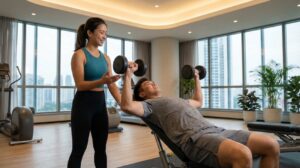
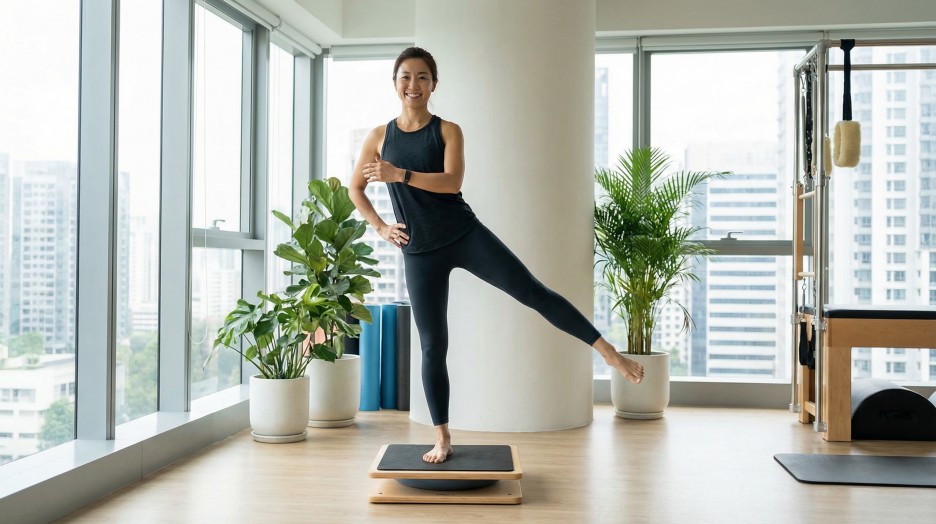
Subsequent sessions focus on hands-on techniques such as soft tissue mobilization and joint mobilisation to relieve stiffness and improve movement. Therapeutic exercises are introduced gradually to strengthen muscles supporting the spine and improve flexibility. Education on posture correction, ergonomics at work, and daily activity adjustments are also important components.
In Singapore, where busy schedules can limit recovery time, physiotherapy sessions are designed to be practical and time-efficient. Patients often receive personalised exercise programs to continue their progress at home, ensuring consistent improvement.
How Do You Choose the Right Physiotherapy Centre in Singapore?
With numerous clinics available, selecting the right place for back pain physiotherapy treatment can feel overwhelming. It’s essential to look for centres staffed by licensed physiotherapists who follow evidence-based practices and stay updated with current research.
Clinics like The Movement Laboratory focus on an integrated physiotherapy approach that combines clinical assessment with movement analysis and patient education. This method aligns with E-E-A-T principles—demonstrating experience through skilled practitioners, expertise in musculoskeletal health, authoritativeness backed by continuous professional development, and trustworthiness through transparent communication.
Additionally, patient-centred care that respects individual goals and lifestyle is crucial. Facilities equipped with modern technology and a supportive environment enhance the overall rehabilitation experience, helping patients feel comfortable and motivated.
What Lifestyle Tips Can Support Your Back Health in Singapore?
Beyond physiotherapy, adopting certain lifestyle habits can play a significant role in maintaining back health. Regular physical activity, such as walking or swimming, helps keep the spine flexible and muscles strong. Singaporeans can take advantage of parks and outdoor spaces to integrate movement into their daily routine.
Attention to ergonomics is particularly important for those working in offices. Simple adjustments like using chairs with proper lumbar support, positioning computer screens at eye level, and taking short standing breaks can reduce strain on the back. Mindfulness and stress management techniques also contribute by lowering muscle tension associated with stress.
Nutrition and hydration support tissue health and recovery, so a balanced diet rich in vitamins and minerals complements physiotherapy efforts. While these measures do not replace professional treatment, they enhance overall well-being and reduce the likelihood of recurrent pain.
When Should You Seek Professional Help?
If back pain persists beyond a few days, interferes with daily activities, or is accompanied by other symptoms such as numbness or weakness, consulting a healthcare professional is advisable. Early intervention through back pain physiotherapy treatment can prevent the condition from worsening and help manage discomfort more effectively.
In Singapore, access to physiotherapists is straightforward, with many clinics offering initial consultations to evaluate your condition. A timely approach not only aids recovery but also reduces the risk of chronic issues developing.
—
The information in this article is for general informational purposes only and does not constitute medical advice. Please consult a qualified healthcare professional for any medical concerns.