Clear vision can make everyday life feel easier. From reading road signs and working on a screen to exercising, traveling, or simply waking up without reaching for eyeglasses, many people want a more convenient way to manage blurry vision. This is why interest in laser-based vision correction continues to grow among patients who are tired of relying on glasses or contact lenses.
For people researching laser eye surgery in the Philippines, LASIK is often one of the first procedures they encounter. It is a well-known option for correcting certain vision problems, but it is not suitable for everyone. A complete eye evaluation is necessary to know whether LASIK is safe, appropriate, and realistic for your needs.
What Is Laser Eye Surgery?
Laser eye surgery refers to procedures that use laser technology to correct refractive errors. These are vision problems that happen when the shape of the eye prevents light from focusing properly on the retina. Common refractive errors include nearsightedness, farsightedness, and astigmatism.
LASIK is one of the most familiar types of laser vision correction. During LASIK, the cornea is reshaped so light can focus more accurately. When done for the right candidate, this may reduce dependence on eyeglasses or contact lenses.
However, LASIK should not be viewed as a casual or one-size-fits-all treatment. It is a medical procedure that requires screening, preparation, and follow-up care.
How LASIK Helps Improve Vision
The cornea is the clear front surface of the eye. It plays a major role in focusing light. If the cornea or overall eye shape causes light to focus incorrectly, vision becomes blurry.
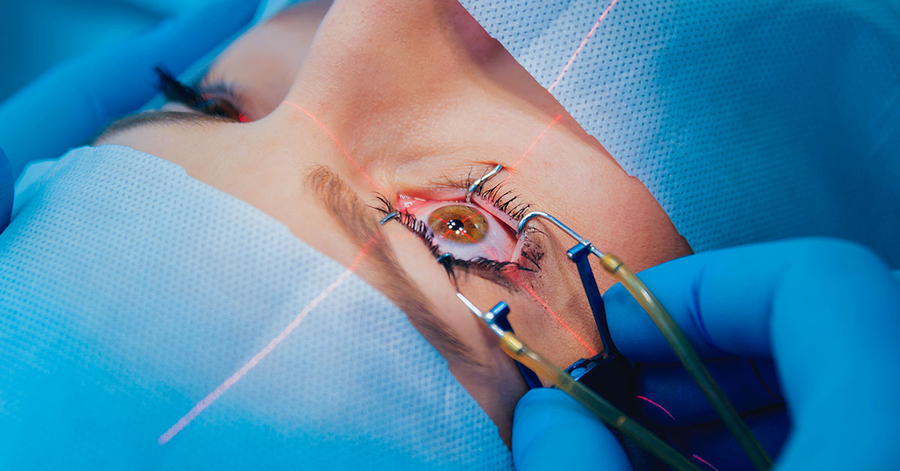
LASIK works by changing the shape of the cornea. The surgeon creates a thin flap on the corneal surface, uses a laser to reshape the tissue underneath, and then places the flap back into position. This adjustment helps improve how light enters the eye.
Many patients choose LASIK because they want clearer vision for daily activities. For some, it can make work, driving, sports, and travel more convenient. Still, results vary depending on prescription, eye health, healing response, and age-related changes.
Who May Be a Good Candidate?
People considering lasik Philippines should first understand that eligibility depends on more than wanting to stop wearing glasses. A doctor will look at several factors before recommending the procedure.
Stable Vision Prescription
A stable prescription is important. If your vision is still changing, your doctor may recommend waiting before considering surgery. This helps improve the chance of a more predictable result.
Healthy Corneas
Since LASIK reshapes the cornea, the cornea must be thick and healthy enough. Patients with thin, weak, scarred, or irregular corneas may need a different option.
Good Eye Surface Health
Dry eye symptoms should be checked before LASIK. The procedure can temporarily affect tear production, so patients who already have dry eyes may need treatment first or may be advised to consider alternatives.
Realistic Expectations
LASIK can reduce dependence on glasses or contacts, but it may not guarantee perfect vision for every patient. Some people may still need eyewear for certain activities, especially as they age.
Who May Not Be Suitable for LASIK?
LASIK may not be recommended for patients with unstable prescriptions, severe dry eyes, thin corneas, keratoconus, active eye infections, certain autoimmune conditions, uncontrolled diabetes, advanced glaucoma, or significant cataracts.
Pregnancy and breastfeeding can also temporarily affect vision and eye dryness, so doctors may advise waiting. People who participate in contact sports or have work that increases the risk of eye trauma should discuss this carefully with an eye specialist.
If LASIK is not suitable, that does not mean vision correction is impossible. Other options may be available depending on the eye exam results.
LASIK vs. Other Laser Eye Surgery Options
LASIK is popular, but it is not the only procedure. Some patients may be better suited for PRK, SMILE, implantable lenses, or continued use of glasses and contact lenses. The right choice depends on corneal thickness, prescription, lifestyle, recovery expectations, and overall eye health.
This is why a detailed consultation matters. A doctor can explain which options are medically appropriate instead of recommending the same procedure to every patient.
What to Expect During Screening
A LASIK screening is more detailed than a standard vision test. The eye doctor may measure your prescription, corneal thickness, corneal shape, tear production, pupil size, and overall eye health. They may also ask about medications, medical conditions, previous eye injuries, and daily activities.
This step helps identify possible risks before surgery. It also gives the patient a clearer idea of what results may be realistic.
Recovery After LASIK
Many patients notice visual improvement within a short period, but healing continues over time. Temporary symptoms may include mild discomfort, dryness, tearing, glare, halos, light sensitivity, or fluctuating vision.
Your doctor may prescribe eye drops and give specific instructions. You may be told not to rub your eyes, swim, wear eye makeup too soon, or expose your eyes to dusty or dirty environments during early recovery.
Follow-up visits are important because they allow the doctor to check healing and manage symptoms early. Skipping follow-ups may increase the risk of missing issues that need attention.
Questions to Ask Before Deciding
Before scheduling LASIK, patients should feel comfortable asking questions such as:
- Am I a good candidate based on my eye exam?
- What are my alternatives if LASIK is not ideal?
- What side effects should I expect?
- How long is the recovery period?
- Will I still need glasses after surgery?
- How many follow-up visits are required?
- What signs should prompt me to call the clinic?
A trustworthy provider should explain the benefits and risks clearly, without pressuring you to decide immediately.
How NowServing PH Can Help
NowServing PH helps patients connect with licensed healthcare professionals for easier access to medical guidance. If you are considering laser vision correction, you can use the platform to consult an eye care provider and ask about screening, preparation, recovery, and possible alternatives.
This can be helpful for patients who are unsure whether their prescription, age, lifestyle, or eye condition makes them a good candidate. Instead of relying only on online estimates or personal stories, a consultation gives you advice that fits your own health profile.
A Clearer Path to Better Vision
Laser eye surgery can be a meaningful option for the right patient. LASIK may help improve vision and reduce dependence on glasses or contact lenses, but it should always begin with a proper eye evaluation.
Before making a decision, take time to understand your options, ask questions, and choose safety over speed. With medical guidance, patients in the Philippines can make a more confident decision about whether LASIK is the right path toward clearer vision.