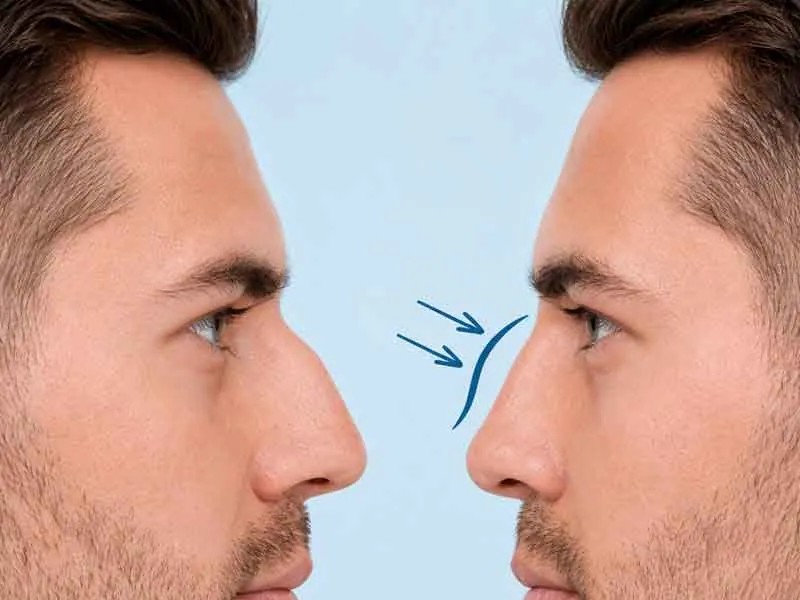
The most successful rhinoplasty is not necessarily the one that produces the smallest or most perfectly shaped nose. It is the one that respects your facial identity, achieves balanced proportions and preserves or improves nasal function.
For patients considering rhinoplasty in Barcelona, modern surgical approaches offer highly individualised solutions for reshaping the nose while taking breathing and long-term structural support into account
From subtle tip refinement to more complex functional corrections, contemporary rhinoplasty focuses on achieving results that complement the entire face as say the clinic rinoplastia barcelona
What Is Rhinoplasty?
Rhinoplasty is a surgical procedure that modifies the shape, size or structural characteristics of the nose.
It may be performed for aesthetic reasons, functional concerns or a combination of both as rinoplastia barcelona
Common motivations for nose surgery include:
- Reducing a prominent nasal hump.
- Refining a wide, rounded or drooping nasal tip.
- Correcting nasal asymmetry.
- Adjusting nasal projection or rotation.
- Addressing certain structural breathing problems.
- Improving proportions between the nose, chin and other facial features.
The objective of natural rhinoplasty is not to reproduce a standard nose shape, but to create proportions that suit the patient’s individual anatomy.
Modern Rhinoplasty Techniques Explained
Patients researching nose surgery in Barcelona will encounter several surgical approaches, each with specific indications.
Preservation Rhinoplasty
Preservation rhinoplasty aims to retain selected existing nasal structures while modifying the shape of the nose.
In appropriately selected patients, it may allow surgeons to address certain dorsal irregularities while conserving important anatomical components.
However, preservation techniques are not suitable for every nasal anatomy or surgical objective.
Structural Rhinoplasty
Structural rhinoplasty focuses on reshaping the nose while maintaining or reconstructing the support needed for stable contours and nasal function.
Cartilage grafts or other structural techniques may be required in particular cases.
Open vs Closed Rhinoplasty
Closed rhinoplasty uses incisions inside the nostrils, while open rhinoplasty also involves a small incision across the columella, the tissue between the nostrils.
The choice depends on the complexity of the procedure, anatomical requirements and surgeon’s assessment.
Neither approach guarantees superior aesthetic results in every patient.
Natural Rhinoplasty: Why Facial Proportions Matter
The nose occupies a central position in the face, making small changes potentially significant to overall appearance.
Aesthetic planning considers nasal height, width, projection, tip shape and the relationship between the nose and chin.
Skin thickness, cartilage strength and facial asymmetry also influence what can realistically be achieved.
For patients seeking natural-looking rhinoplasty in Barcelona, maintaining personal identity is often as important as correcting the original concern.
A carefully planned procedure should account for the face from multiple perspectives rather than focusing exclusively on the side profile.
Functional Rhinoplasty: Improving Appearance and Breathing
Rhinoplasty is not exclusively an aesthetic procedure.
Some patients experience breathing difficulties associated with a deviated nasal septum, nasal valve problems or other anatomical abnormalities.
When appropriate, functional rhinoplasty may address these structural concerns alongside external nasal reshaping.
Septoplasty, for example, can sometimes be combined with rhinoplasty when correction of the nasal septum is indicated.
However, not every breathing problem is caused by nasal anatomy, and surgery does not guarantee resolution of all respiratory symptoms.
A thorough medical examination is essential before recommending treatment.
Rhinoplasty Recovery: How Long Does Healing Take?
Recovery is gradual and varies between patients.
Following rhinoplasty, a protective nasal splint may be used during the initial healing period.
Swelling, congestion and bruising can occur, although their extent varies according to the procedure and individual healing response.
Many patients resume some routine activities within approximately one to two weeks, subject to medical advice.
However, the final nasal contour takes considerably longer to develop.
Subtle swelling, particularly around the nasal tip, may take twelve months or longer to settle.
Patients should avoid activities that could injure the healing nose and follow their surgeon’s postoperative instructions.
Potential risks include bleeding, infection, scarring, persistent breathing difficulties, asymmetry and the need for revision surgery.
How Much Does Rhinoplasty Cost in Barcelona?
Rhinoplasty prices in Barcelona depend on surgical complexity, the technique required, anaesthesia, operating facilities and postoperative care.
Primary rhinoplasty, functional corrections and revision procedures can involve substantially different surgical requirements.
Patients should request an individualised quotation and understand which services and follow-up visits are included.
The surgeon’s qualifications and experience should carry greater weight than price alone.
How to Choose a Rhinoplasty Surgeon in Barcelona
Selecting a rhinoplasty specialist requires careful consideration.
Patients should evaluate relevant surgical qualifications, experience with nasal anatomy, familiarity with both aesthetic and functional concerns, and the quality of postoperative follow-up.
Reviewing genuine before-and-after cases may help clarify a surgeon’s aesthetic approach, although previous results cannot guarantee an individual outcome.
For international patients travelling to Barcelona, arranging suitable postoperative monitoring before returning home is especially important.
Frequently Asked Questions
Can rhinoplasty look completely natural?
Rhinoplasty can aim for subtle, harmonious changes, but results depend on anatomy, healing and surgical limitations.
Is rhinoplasty painful?
Discomfort, swelling and nasal congestion are expected during early recovery. Individual experiences vary, and postoperative pain management should be discussed with the surgical team.
Can rhinoplasty correct breathing problems?
It can address certain structural causes of nasal obstruction, but a specialist examination is necessary to determine whether surgery is appropriate.
Your Rhinoplasty Consultation in Barcelona
Every nose has a unique anatomy, and every patient has different aesthetic and functional priorities.
A personalised consultation allows the surgeon to examine nasal structures, discuss your expectations and recommend a treatment plan based on realistic possibilities.
Book a rhinoplasty consultation in Barcelona and explore your options for natural facial harmony and nasal function.