Key Highlights
- Non-surgical options can effectively manage knee arthritis symptoms and delay or prevent surgical intervention.
- Treatment approaches include physiotherapy, weight management, injections, and medication tailored to individual needs.
- Early consultation with an orthopaedic knee specialist improves treatment outcomes and quality of life.
- Combining multiple non-surgical therapies often yields more positive results than relying on a single approach.
Introduction
Knee arthritis affects thousands of Singaporeans annually, creating pain that interferes with daily activities most people take for granted. Walking to the MRT station becomes challenging, climbing stairs feels impossible, and even standing for extended periods causes discomfort. Whilst surgery remains an option for severe cases, many patients can achieve significant relief through conservative approaches that preserve the joint and avoid operative risks.
Understanding your non-surgical options helps you make informed decisions about managing this progressive condition. Working closely with an orthopaedic knee specialist ensures you receive treatments appropriate for your specific arthritis stage and lifestyle requirements.
Physical Therapy and Targeted Exercise
Strengthening the muscles surrounding your knee joint reduces stress on deteriorating cartilage whilst improving stability and range of motion. A structured physiotherapy programme addresses muscle imbalances, teaches proper movement patterns, and gradually builds strength without aggravating inflammation.
Your therapist will design exercises targeting the quadriceps, hamstrings, and hip muscles that support knee function. Hydrotherapy sessions conducted in warm water pools allow movement with reduced joint loading, making exercise more comfortable for those experiencing significant pain. Low-impact activities like cycling and swimming maintain cardiovascular fitness without the repetitive impact that worsens arthritis symptoms.
Consistency matters more than intensity when pursuing knee arthritis treatment in Singapore through exercise. Regular sessions of moderate activity produce positive outcomes than sporadic intense workouts that potentially inflame the joint further.
Weight Management and Lifestyle Modifications
Excess body weight multiplies the forces acting on knee joints during ordinary activities. Research indicates that losing just five kilograms can substantially reduce knee pain and slow arthritis progression. The mechanical advantage becomes obvious when you consider that each step generates forces several times your body weight across the joint surfaces.
Dietary adjustments combined with appropriate exercise create sustainable weight loss that benefits not only your knees but also your overall health. An orthopaedic knee specialist may connect you with nutritionists who understand the relationship between weight and joint health, ensuring recommendations align with your medical conditions and mobility limitations.
Modifying daily activities prevents unnecessary joint stress. Using assistive devices like walking sticks during flare-ups, avoiding prolonged kneeling or squatting, and choosing supportive footwear all contribute to symptom management. Small changes accumulate into meaningful improvements over time.
Injection Therapies for Symptom Relief
When conservative measures provide insufficient relief, injection-based treatments offer targeted symptom management without surgical intervention. Several options exist, each with distinct mechanisms and appropriate use cases.
Corticosteroid injections deliver potent anti-inflammatory medication directly into the joint space, providing relief that can last weeks to months. These work well during acute flare-ups when inflammation drives most of your discomfort. However, repeated steroid injections may accelerate cartilage breakdown, so orthopaedic knee specialists typically limit frequency and total number.
Hyaluronic acid injections supplement the joint’s natural lubricating fluid, which arthritis depletes over time. This viscosupplementation approach may improve joint mechanics and reduce pain for several months. Results vary considerably between individuals, with some experiencing dramatic improvement whilst others notice minimal benefit.
Platelet-rich plasma therapy represents a newer approach that uses concentrated growth factors from your own blood to potentially stimulate tissue healing. Although research continues regarding long-term effectiveness, many patients pursuing knee arthritis treatment in Singapore report improved function following PRP injections.
Pharmacological Management
Oral medications form another pillar of conservative arthritis care. Non-steroidal anti-inflammatory drugs reduce both pain and inflammation, though prolonged use requires monitoring for gastrointestinal and cardiovascular side effects. Paracetamol provides pain relief with fewer complications for patients who cannot tolerate NSAIDs.
Topical preparations applied directly to the skin over the affected knee deliver medication locally with reduced systemic absorption. Creams and gels containing NSAIDs or capsaicin offer alternatives for those seeking to minimise oral medication intake.
Nutraceuticals like glucosamine and chondroitin sulphate have mixed evidence supporting their use, yet some patients report subjective improvement. Discussing these supplements with an orthopaedic knee specialist ensures they won’t interfere with other treatments or medical conditions.
Assistive Devices and Bracing
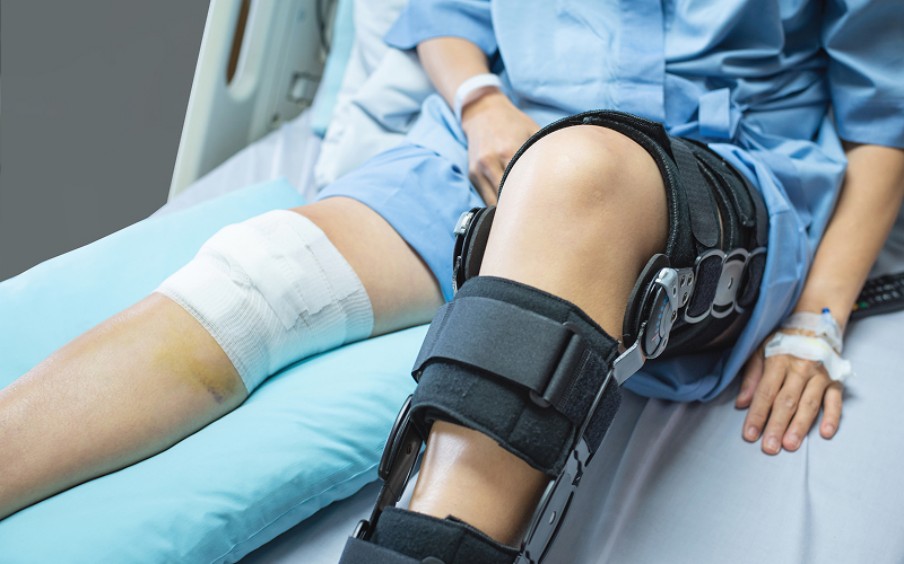
Knee braces provide external support that reduces pain during activities by offloading damaged joint compartments. Unloader braces specifically designed for arthritis shift weight away from the most deteriorated areas, allowing for more comfortable movement. Custom orthotics correct biomechanical abnormalities in foot and ankle alignment that contribute to abnormal knee loading patterns.
Walking aids ranging from simple canes to rollators reduce weight-bearing forces through arthritic knees during ambulation. Many patients resist using assistive devices due to concerns about appearing disabled, yet strategic use during symptom flare-ups prevents overuse injuries and maintains activity levels that would otherwise become impossible.
When to Escalate Treatment
Non-surgical knee arthritis treatment in Singapore successfully manages symptoms for many patients, but recognising when conservative measures no longer suffice prevents prolonged suffering. Progressive worsening despite optimal non-operative care, inability to perform essential daily activities, or severe pain disrupting sleep quality all signal the need to discuss surgical options.
Regular follow-up appointments allow your orthopaedic knee specialist to track disease progression through clinical examination and imaging studies, adjusting treatment strategies as your condition evolves. Early intervention with appropriate therapies delays surgical necessity and preserves function when surgery eventually becomes warranted.
Conclusion
Non-surgical approaches to knee arthritis provide effective symptom management for many patients, combining physical therapy, weight control, injections, and medications tailored to individual circumstances. Success requires commitment to lifestyle modifications and regular specialist oversight.
Contact Auspicium Orthopaedic Centre to schedule a consultation with an experienced orthopaedic knee specialist who will develop a personalised treatment plan addressing your specific needs and goals.