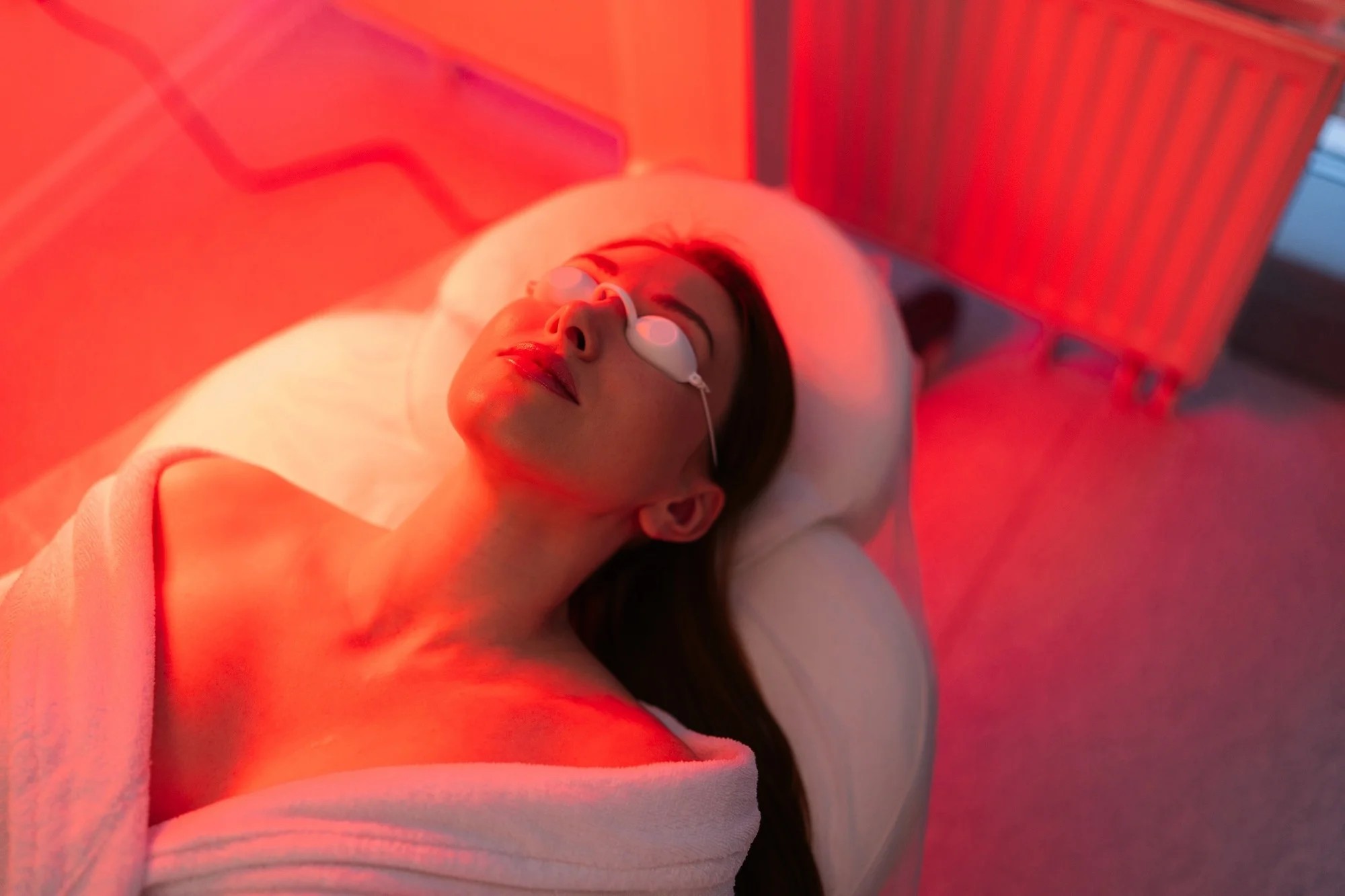
Muscle soreness, exercise-related fatigue, and persistent discomfort can affect people of different ages and activity levels. As interest in recovery methods increases, light-based wellness equipment has become a subject of scientific research. Red light therapy manufacturers are responding to this interest by developing devices intended for home wellness routines, fitness facilities, and certain professional healthcare environments.
Understanding Red Light Therapy and Muscle Recovery
Red light therapy uses specific wavelengths of red light, while some devices also deliver near-infrared light. Researchers have investigated photobiomodulation, a process in which particular wavelengths of light interact with biological tissues.
Some studies suggest that photobiomodulation may help with certain aspects of exercise recovery or pain management. However, outcomes vary across studies, and the evidence does not support treating every muscle condition with light therapy. Appropriate treatment depends on the individual, the condition, and the device being used.
How Manufacturers Develop Recovery Devices
Manufacturers design products with different coverage areas, LED arrangements, and output settings. Small devices may target limited areas, while larger panels can illuminate broader regions.
Product specifications should clearly identify the wavelengths used, irradiance levels, recommended treatment distance, and exposure duration. These details help buyers understand how a device is intended to operate.
Manufacturers should also test electrical components, heat management systems, and controls to help ensure dependable operation.
Why Quality Matters in Wellness Equipment
Fitness centers and wellness providers need equipment that can withstand regular use. Durable housing, reliable power supplies, effective cooling, and easy-to-understand controls can influence product performance and maintenance needs.
Buyers should request relevant safety documentation and verify certifications for the specific model and destination market. Independent testing may also help confirm advertised technical specifications.
Using Light Therapy Responsibly
Red light therapy should not replace medical assessment for severe, unexplained, or persistent pain. People with injuries or underlying medical conditions should consult an appropriate healthcare professional before starting a new treatment.
Users should follow the manufacturer’s instructions and avoid assuming that longer exposure will produce better results. Excessive or inappropriate use may create unwanted effects.
Selecting the Right Manufacturing Partner
Businesses should evaluate product quality, technical transparency, warranty coverage, replacement parts, and customer support before choosing a supplier. Manufacturers should communicate clearly about the intended use and limitations of their devices.
Conclusion
Red light therapy remains an active area of research in muscle recovery and pain management. Reliable red light therapy manufacturers can contribute by producing well-documented devices and providing clear usage guidance. Businesses and consumers should make purchasing decisions based on verified specifications, realistic expectations, and appropriate health advice.