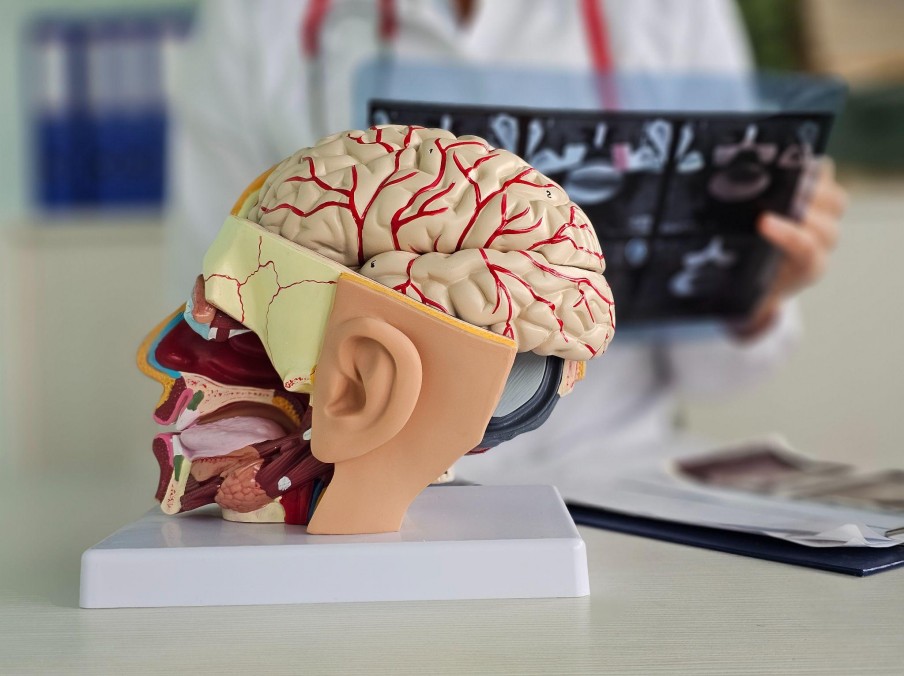
Key Highlights
- Brain tumours, whether benign or malignant, require precise surgical evaluation and treatment.
- Chronic spinal conditions like herniated discs can be effectively treated with neurosurgery.
- Neurosurgeons manage complex vascular issues such as aneurysms to prevent strokes.
- Specialist intervention is critical for treating traumatic brain or spinal cord injuries.
Introduction
The field of neurosurgery deals with some of the most complex and delicate structures in the human body: the brain, the spinal cord, and the peripheral nerves. When a condition affects the central nervous system, the expertise of a neurosurgery specialist in Singapore becomes vital. Many people mistakenly believe that a brain surgeon in Singapore only performs high-risk operations, but their role actually involves a wide range of diagnostic assessments and non-surgical management plans as well. Neurosurgery has evolved significantly with the advent of minimally invasive techniques and advanced imaging, allowing for safer and more precise interventions. Understanding which conditions fall under the remit of neurosurgery in Singapore can help patients and their families seek the right care at the right time. Early consultation with a specialist is often the key to preserving neurological function and achieving a successful recovery.
1. Brain Tumours and Abnormal Growths
One of the primary reasons to consult a brain surgeon in Singapore is for the diagnosis and treatment of brain tumours. These growths can be primary, meaning they start in the brain, or metastatic, meaning they have spread from other parts of the body. Even benign tumours can cause significant issues by putting pressure on sensitive brain tissue, leading to headaches, seizures, or changes in personality and motor skills. A neurosurgery specialist in Singapore uses high-resolution MRI scans and biopsies to determine the nature of the growth. Treatment may involve surgical removal, where the goal is to excise as much of the tumour as possible while protecting healthy tissue. In many cases, modern surgical navigation systems allow surgeons to operate with incredible precision, improving patient safety and outcomes.
2. Degenerative Spinal Disorders and Disc Issues
While many spinal issues are managed by physiotherapists or orthopaedic surgeons, certain complex cases require the expertise of neurosurgery in Singapore. Conditions such as herniated discs, spinal stenosis, and spondylolisthesis can cause severe back pain, numbness, or weakness in the limbs by compressing the spinal nerves. A neurosurgeon is specifically trained to work around the delicate nerve roots of the spine. When conservative treatments like medication or physical therapy fail, a neurosurgery specialist in Singapore may recommend procedures such as a discectomy or spinal fusion. These surgeries aim to decompress the nerves and stabilise the spine, allowing patients to regain their mobility and return to a pain-free life.
3. Cerebrovascular Conditions and Aneurysms
Cerebrovascular surgery is a specialised area of neurosurgery that focuses on the blood vessels supplying the brain. A brain surgeon in Singapore often treats conditions like cerebral aneurysms—weak spots in an artery wall that can bulge and potentially rupture. A ruptured aneurysm is a medical emergency that leads to a subarachnoid haemorrhage, a type of stroke. To prevent this, neurosurgeons can perform “clipping” or “coiling” procedures to secure the aneurysm. Additionally, they manage arteriovenous malformations (AVMs), which are abnormal tangles of blood vessels. By addressing these vascular issues before they cause a crisis, a neurosurgery specialist can prevent devastating neurological damage and save lives through proactive, highly specialised care.
4. Traumatic Brain and Spinal Cord Injuries
Accidents, falls, or sports injuries can result in traumatic damage to the brain or spine that requires immediate neurosurgical intervention. A neurosurgery specialist in Singapore is often part of the emergency team that manages intracranial haemorrhages (bleeding in the brain) or skull fractures. In these critical situations, surgery may be necessary to remove blood clots or relieve pressure inside the skull to prevent further brain damage. Similarly, traumatic spinal injuries that result in fractures or instability require surgical stabilisation to protect the spinal cord. The skill of a neurosurgeon in the “golden hour” following an injury can be the difference between permanent disability and a successful rehabilitation. Long-term follow-up care with a specialist is also essential for monitoring the recovery process.
Conclusion
Neurosurgery is a highly specialised field that offers hope and healing for some of the most challenging medical conditions. Whether it is removing a tumour, repairing a spinal disc, or managing a life-threatening aneurysm, the expertise of a neurosurgery specialist in Singapore is indispensable. Modern advancements have made neurosurgical procedures more precise and less invasive, leading to faster recovery times and better quality of life for patients. If you or a loved one is facing a neurological diagnosis, consulting a qualified brain surgeon in Singapore is the first step toward understanding your options. By seeking care from specialists who use the latest technology and techniques, you ensure that your nervous system—the command centre of your body—receives the highest standard of protection and treatment.
If you require specialist evaluation for a neurological or spinal condition, seek expert care. Contact Foundation Healthcare to consult with an experienced neurosurgery specialist in Singapore today.