Few things are more frustrating for a dental patient than a restoration that doesn’t fit right, a crown that feels high when you bite down, a bridge with a gap at the gumline, a denture that rocks. These issues used to mean an extra appointment at minimum, and sometimes an entirely new restoration had to be made from scratch. Remakes like this have historically been one of the biggest sources of wasted time for both patients and dental practices.
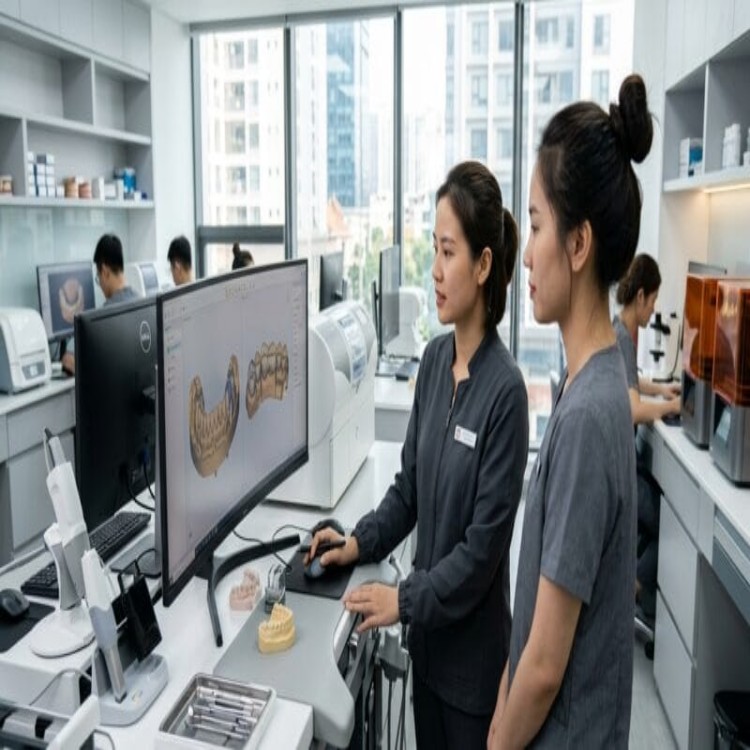
Digital workflows have chipped away at this problem from multiple angles. Scanning technology captures a more accurate starting model than traditional impressions, reducing errors introduced right at the very first step. Design software can simulate how a restoration will sit and function before it’s ever manufactured, catching bite interferences or tight contact points that would otherwise only show up once the patient was already in the chair for a fitting.
Review processes have also matured. Many restorations now pass through a second set of eyes, a senior designer checking a junior colleague’s work, before anything is approved for manufacturing, catching mistakes at the point where they’re cheapest and fastest to fix. This kind of layered quality control has become standard practice among specialized digital dental design team structures, precisely because remakes are expensive for everyone involved: the lab redoes work for free, the clinic loses chair time, and the patient loses patience.
The cumulative effect shows up in remake rates, which have dropped meaningfully at practices that have fully adopted digital workflows compared to those still relying on traditional impressions and lab communication by phone or courier.
For patients, this mostly shows up as an absence, the appointment that doesn’t need to happen because the crown fit correctly the first time. It’s not a dramatic change to notice in the moment, but over the course of a full course of dental treatment, it adds up to meaningfully less time spent in the chair overall.
The fewer surprises there are during a fitting appointment, the more likely it is that quiet, careful design work happened exactly as it should have well before you ever sat down.