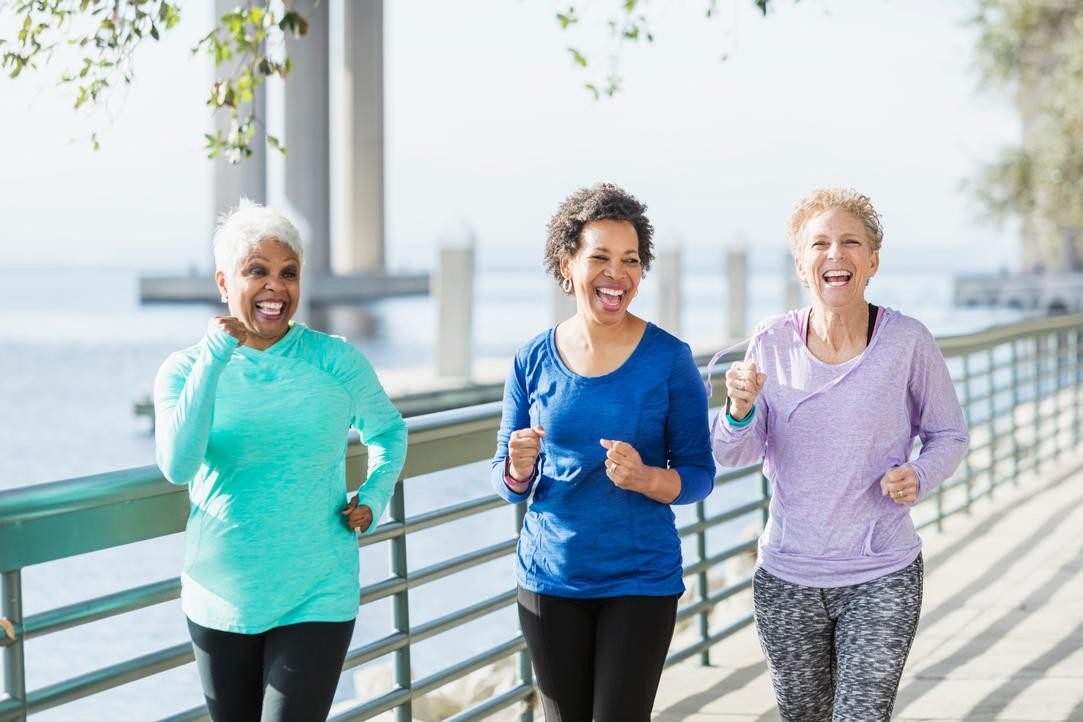
The fitness industry has changed dramatically over the past decade. For years, much of mainstream fitness advice was designed primarily around male-focused training methods, calorie restriction, and unrealistic body standards. However, modern wellness culture is evolving rapidly, and one of the biggest areas of growth is women’s hormone health.
In 2026, more women are prioritizing:
- Strength training
- Recovery
- Stress management
- Hormonal wellbeing
- Sustainable nutrition
- Long-term health
Rather than focusing only on weight loss or aesthetics, many women now want fitness routines that support overall wellness, energy, confidence, and healthy aging.
This shift has helped create a much more balanced and informed approach to female fitness and health.
Why Women’s Hormone Health Matters
Hormones play a major role in many important bodily functions, including:
- Energy levels
- Recovery
- Mood
- Sleep
- Metabolism
- Muscle development
- Appetite regulation
When hormones become imbalanced, women may experience:
- Fatigue
- Mood changes
- Difficulty recovering
- Poor sleep
- Reduced motivation
- Changes in body composition
As awareness around these issues grows, more women are becoming interested in understanding how exercise, nutrition, stress, and lifestyle habits affect overall hormonal health.
This has turned hormone wellness into one of the biggest trends in modern fitness.
The Rise of Strength Training for Women
One of the biggest changes in female fitness culture is the growing popularity of strength training.
For many years, women were often encouraged to focus mainly on:
- Cardio
- Fat-burning workouts
- Extreme calorie restriction
- “Toning” routines
Today, more women are embracing resistance training for its benefits related to:
- Muscle development
- Bone density
- Confidence
- Metabolic health
- Long-term wellness
Strength training is increasingly recognized as one of the most effective forms of exercise for healthy aging and overall physical function.
This represents a major shift away from outdated fitness myths.
Stress, Cortisol, and Recovery
Modern women’s wellness culture also places much greater emphasis on stress management and recovery.
Many women balance:
- Careers
- Family responsibilities
- Fitness goals
- Social obligations
- Busy daily schedules
Chronic stress may negatively affect:
- Sleep
- Energy
- Recovery
- Hormonal balance
- Mental wellbeing
This is one reason lower-stress forms of fitness such as:
- Walking
- Pilates
- Yoga
- Mobility work
- Zone 2 cardio
have become increasingly popular.
Modern fitness is no longer only about intensity. Sustainability and recovery now play a major role in overall health.
Nutrition and Hormonal Wellness
Nutrition is another major focus within women’s health conversations.
Many women now prioritize:
- High-protein diets
- Blood sugar balance
- Whole foods
- Healthy fats
- Gut health
- Recovery nutrition
Rather than extreme dieting, modern wellness trends increasingly encourage balanced eating habits that support long-term energy and recovery.
This reflects a broader movement away from unsustainable crash diets and toward healthier relationships with food.
PCOS and Hormone Awareness
Awareness surrounding conditions such as PCOS (polycystic ovary syndrome) has also grown significantly in recent years.
More women are now openly discussing:
- Insulin resistance
- Hormonal symptoms
- Fatigue
- Weight management challenges
- Recovery difficulties
Social media and online wellness communities have helped increase education and support surrounding these topics.
As a result, female fitness advice is becoming more personalized and wellness-focused rather than promoting one-size-fits-all approaches.
Women and Healthy Aging
Longevity and healthy aging have become major priorities within modern female wellness culture.
Women increasingly want to:
- Maintain muscle mass
- Support bone health
- Stay active long term
- Improve mobility
- Preserve energy levels
This is one reason resistance training, mobility work, and recovery-focused fitness continue growing rapidly among women of all ages.
Rather than simply chasing short-term transformation goals, many women now prioritize long-term health and quality of life.
Sleep and Hormonal Balance
Sleep is another major factor affecting women’s health and recovery.
Poor sleep may contribute to:
- Increased stress
- Hormonal disruption
- Reduced energy
- Appetite changes
- Poor recovery
This is why sleep optimization has become one of the fastest-growing areas within wellness culture.
Many women now prioritize:
- Consistent sleep schedules
- Reduced screen exposure before bed
- Stress reduction
- Recovery routines
- Balanced exercise programming
Modern wellness increasingly recognizes that exercise alone is not enough without proper recovery.
Recovery, Performance, and Supplement Research
As female fitness continues evolving, more women are also becoming interested in broader conversations surrounding performance optimization, muscle retention, and body composition support.
Within certain fitness and bodybuilding communities, prohormones are often discussed in relation to physique development, strength progression, and performance-focused training. For readers interested in learning more about the science, risks, and ongoing discussions surrounding these compounds, this educational prohormone research guide provides a deeper overview of how prohormones are commonly discussed within modern fitness culture.
Because the content focuses on research and education rather than direct product promotion, it integrates naturally into broader conversations surrounding performance and wellness.
The Influence of Social Media
Social media has played a huge role in changing female fitness culture.
Modern fitness creators increasingly promote:
- Strength training
- Sustainable wellness
- Mental health
- Recovery
- Body confidence
- Realistic lifestyles
This is a major shift from older trends focused heavily on:
- Extreme dieting
- Excessive cardio
- Unrealistic beauty standards
Many women now want fitness routines that feel:
- Empowering
- Sustainable
- Functional
- Supportive of long-term wellbeing
This reflects a healthier and more balanced direction for the fitness industry overall.
Breaking Old Fitness Myths
Several outdated fitness myths are gradually disappearing.
For example:
- “Women should avoid lifting heavy weights”
- “Cardio is the best way to lose fat”
- “More exercise is always better”
- “Eating less is the key to fitness”
Modern wellness culture increasingly supports evidence-based approaches that prioritize:
- Recovery
- Nutrition
- Strength
- Longevity
- Mental wellbeing
This evolution is helping many women build healthier relationships with exercise and health overall.
Why Women’s Wellness Will Continue Growing
Women’s hormone health is likely to remain one of the biggest growth areas in fitness and wellness for years to come.
Consumers increasingly want:
- Personalized health information
- Sustainable fitness advice
- Recovery-focused wellness
- Long-term health support
- Balanced lifestyle approaches
The industry is responding by creating more education, products, and wellness resources specifically designed around female health needs.
The Future of Female Fitness
The future of female fitness is becoming far more holistic than in previous years.
Modern women increasingly prioritize:
- Strength
- Energy
- Recovery
- Confidence
- Longevity
- Overall wellbeing
Rather than focusing purely on appearance, many women now want fitness routines that help them feel physically and mentally stronger while supporting long-term health.
This shift toward balanced wellness, hormone awareness, and sustainable health habits is reshaping the future of the fitness industry — and it is likely only the beginning.